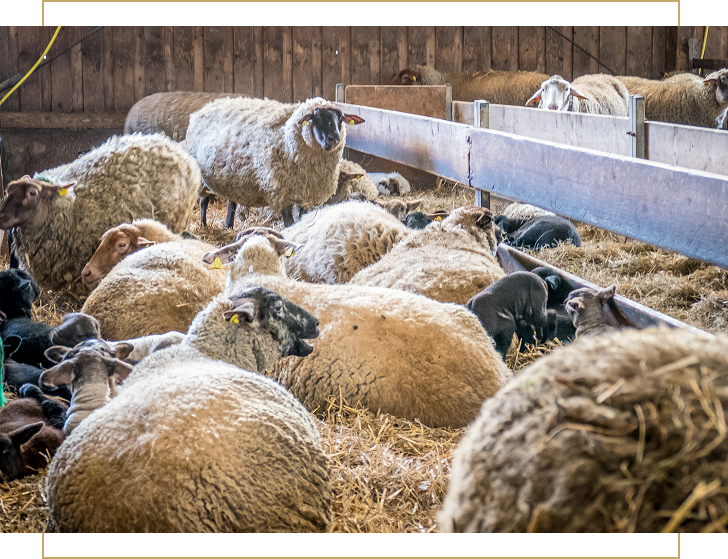
Animal fairs were traditionally events in the past where farmers, traders, and members of the local community gathered to sell, exchange, or purchase livestock. These fairs were typically organized in agricultural settings, in villages or near towns. This was also the case in Cârța: the village received the right to hold a weekly fair in 1840 from Vienna, and since then, fairs have been held there every Thursday.
Most of the animals offered at the fair, either for keeping or for slaughter, were primarily cattle, horses, sheep, pigs, and poultry. One of the most important aspects of the fairs was negotiation. After visual inspection, farmers would bargain, as the sale of animals was often crucial for their livelihoods. Prices were determined by the animals’ species, shape, age, and health condition.
Before the political changes, livestock farmers were forced to buy or slaughter animals secretly, which everyone in Csíkjenőfalva knew about. The tradition of backyard slaughtering and meat processing has remained part of village life; however, today it takes place within legal frameworks. Local livestock farmers sell their animals and meat intended for processing to the Tercsi slaughterhouse and meat processing facility.
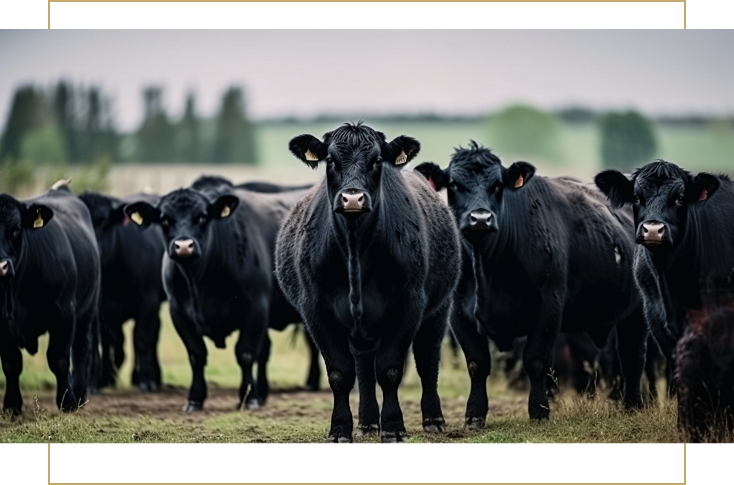
WHO DO WE PURCHASE FROM?
Tercsi primarily purchases animals from members of the Felcsík Agricultural Cooperative (local livestock farmers and breeders): cooperative members are contractually guaranteed the purchase of the animals they sell. Animals are slaughtered in the order they are registered at the slaughterhouse. Tercsi also buys from any local farmers or farms that can guarantee quality livestock for the meat processing facility.
While the purchase of cattle or sheep is a relatively straightforward process, the purchase of pigs is subject to stricter regulations: the seller must hold at least a “Conform Farm” certification (which must meet various requirements), issued by the Harghita County Directorate for Veterinary and Food Safety (DSVSA).
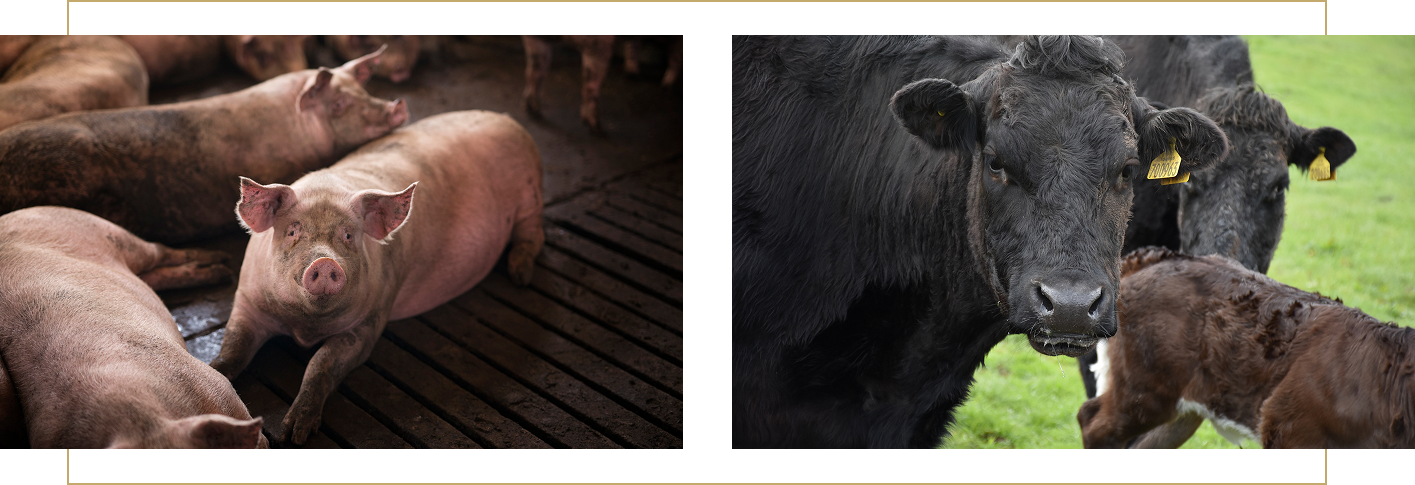
PRICE DETERMINATION
To establish a fair price for the animals, it is essential to weigh them: nowadays, scales are used for this purpose. Previously, live weight was estimated by visual inspection, approximation, or using a measuring tape, followed by negotiation.
HOW WE PURCHASE
Animals to be purchased are first visually inspected and classified into a breed and quality (price) category. Later, after slaughter, meat inspection, and documentation, if the farmer agrees, the livestock is paid for as “Címerhús”, according to the predetermined price.